Understanding the Importance of Körper- und Augennotdusche in Safety Protocols
In environments where hazardous materials and chemicals are used, the presence of effective emergency equipment such as Körper- und Augennotdusche is crucial for maintaining safety protocols. These safety showers are designed to provide immediate decontamination in case of chemical spills or accidental exposure, preventing long-term injury and ensuring compliance with health and safety regulations. When exploring options, Körper- und Augennotdusche provides comprehensive insights into the features and compliance standards essential for any facility.
What are Körper- und Augennotdusche?
Körper- und Augennotdusche are specialized shower systems designed for emergency decontamination. They combine body showers and eyewash stations to provide immediate relief after exposure to hazardous substances, such as chemicals, acids, or biological agents. The primary function of these units is to dilute and wash away contaminants from the skin and eyes, thereby minimizing injuries in emergency situations.
Role in Emergency Response
In the event of a chemical spill or exposure, every second counts. The ability to quickly access a Körper- und Augennotdusche can be the difference between minor and severe injuries. These systems are strategically placed in facilities where hazardous materials are handled, ensuring they are always within reach. When activated, they provide a consistent flow of lukewarm water, which is essential for effective decontamination. The integration of such systems into an overall safety response plan is a best practice for workplaces handling hazardous materials.
Industry Standards and Compliance
Compliance with established safety standards is non-negotiable for any facility using Körper- und Augennotdusche. The relevant standards, such as EN 15154 in Europe and ANSI standards in the United States, outline specific requirements for testing, maintenance, and performance to ensure reliability in emergencies. Regular audits and compliance checks become crucial to confirm that these systems meet the necessary regulations, providing peace of mind to facility managers and employees alike.
Key Features of Effective Notduschen und Augenduschen
When selecting Körper- und Augennotdusche, several key features enhance their effectiveness and usability. These features ensure that the systems not only comply with safety regulations but also provide the best possible user experience in emergency situations.
Water Flow and Temperature Regulations
Effective Körper- und Augennotdusche should deliver adequate water flow rates as specified by safety standards. The typical requirement is a minimum flow rate of 1.5 gallons per minute (gpm) for eyewash stations and 20 gpm for body showers. Furthermore, maintaining an appropriate water temperature is essential; lukewarm water (between 60°F and 100°F) offers optimal comfort and efficiency during decontamination.
Material and Construction Quality
The materials used in constructing Körper- und Augennotdusche are critical for durability and performance. High-quality materials such as stainless steel or corrosion-resistant plastics will ensure longevity even in harsh environments. Additionally, the design should minimize the risk of contamination while allowing easy access for quick usage.
Additional Safety Features to Consider
- Audible Alarms: Some systems include alarms that activate during operation to alert nearby personnel.
- Lighting: Integrated lighting ensures visibility, especially in low-light conditions.
- Drainage Systems: Proper drainage helps prevent pooling of contaminated water.
- Emergency Stop Controls: These allow for quick cessation of water flow if needed.
Factors When Selecting Notduschen for Your Facility
The selection process for Körper- und Augennotdusche involves evaluating various factors to ensure that the chosen system fits the specific needs of your facility. Consideration of these elements is vital for optimizing safety and compliance.
Evaluating Your Environment's Specific Needs
Every workplace is unique, and the requirements for a Körper- und Augennotdusche system will vary accordingly. Factors such as the types of hazardous materials handled, the layout of the work area, and the number of employees should play a pivotal role in the decision-making process. For instance, laboratories may require more advanced systems that cater to specific chemical exposure incidents.
Common Misconceptions About Notduschen
One common misconception is that a single emergency shower system is sufficient for all applications. However, many facilities can benefit from multiple strategically placed units to ensure that all employees have quick access regardless of their location within the facility. Another misconception is that regular maintenance is optional; in reality, consistent testing and inspections are critical to ensuring functionality when needed.
Consultation and Expert Guidance
Engaging with experts in safety equipment can provide invaluable insights during the selection process. These professionals not only help identify the best systems for your specific needs but also guide you through compliance regulations and ongoing maintenance plans. Consulting with manufacturers or certified distributors ensures that your facility's safety protocols are up to date and effective.
Maintenance Best Practices for Körper- und Augennotdusche
The reliability of Körper- und Augennotdusche systems is heavily dependent on regular maintenance. Establishing a comprehensive maintenance schedule is vital for ensuring compliance and functionality.
Regular Inspection Protocols
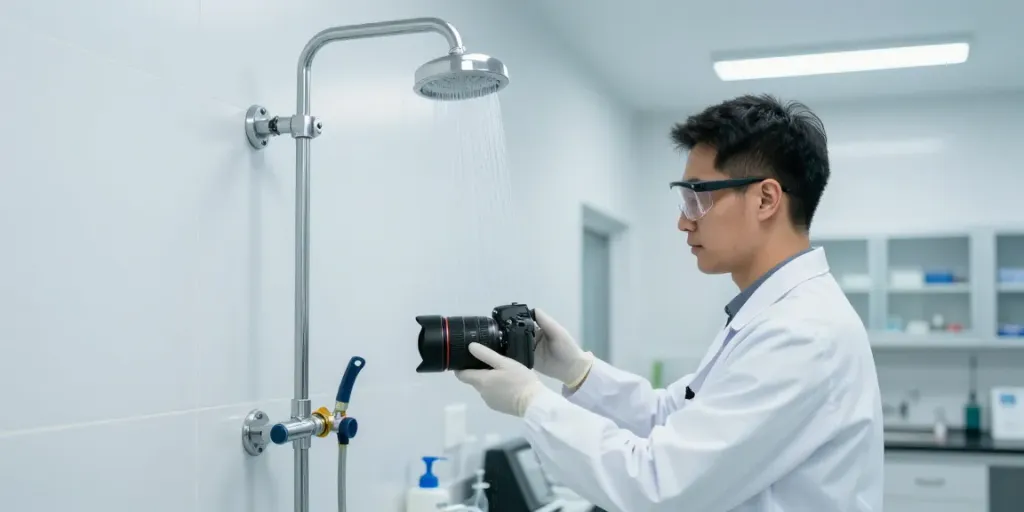
Facilities should implement a routine inspection protocol to check the functionality of emergency shower systems. Inspections should verify that water flow is up to standard, that there are no obstructions preventing access, and that all components are in good working order. Visual inspections should be complemented by functional tests at least once a month and documented thoroughly.
Scheduling Maintenance for Compliance
Some jurisdictions require documented maintenance schedules to adhere to industry standards. Keeping accurate records of maintenance activities not only facilitates audits but can also keep staff informed about the status of all safety equipment in the facility. Regular training on how to use these systems, as well as updates on any changes, also forms an essential part of the compliance picture.
Importance of Documentation for Audit Trails
Maintaining an up-to-date log of inspections and repairs can prove invaluable during audits. Documentation serves as proof of compliance with safety regulations and helps identify trends in repairs or issues that may arise. This proactive approach can help prevent future equipment failures and promote a culture of safety within the organization.
Future Trends in Körper- und Augennotdusche Technology
As industries evolve and technology advances, so do the designs and functionalities of Körper- und Augennotdusche systems. Keeping abreast of these developments is crucial for ensuring that your facility remains compliant and safe.
Advancements in Safety Shower Design
Emerging trends in safety shower design include features like automated sensor activation and IoT capabilities, which allow for remote monitoring of system functionality. Such innovations can alert facility managers to any malfunctions immediately, ensuring rapid resolutions before issues escalate.
Emerging Regulations and Standards for 2026
The safety landscape is dynamic, with new regulations frequently introduced to enhance workplace safety. By 2026, updates to existing EN and ANSI standards are likely, targeting improved performance metrics for emergency decontamination facilities. Staying informed about these changes will be essential for maintaining compliance and protecting employees.
Impact of Technology on Safety Improvements
The integration of technology in emergency response systems contributes significantly to safety improvements. For instance, systems that incorporate thermal sensors can automatically adjust water temperatures for optimal comfort during decontamination. As technology advances, we can expect even more innovative solutions that enhance both the performance and usability of Körper- und Augennotdusche systems.
What are the benefits of using a Körper- und Augennotdusche?
Using Körper- und Augennotdusche provides immediate access to emergency decontamination, reducing the severity of injuries in hazardous situations. Quick response capabilities help ensure compliance with safety regulations and improve workplace safety overall.
How often should Notduschen be inspected?
Inspections should be conducted monthly, with functional tests and maintenance logs maintained to ensure compliance with safety standards.
Can Körper- und Augennotdusche be customized for specific needs?
Yes, many manufacturers offer customization options to suit the specific needs of different facilities, including adjustments for flow rates, temperature controls, and additional features.
What certifications are necessary for compliance?
Compliance typically requires adherence to EN and ANSI standards, with specific certifications needed based on the geographic region and industry standards.
How can I request a quote for a customized Notdusche?
To request a customized quote, connect directly with manufacturers or distributors specializing in emergency safety equipment. They can guide you through the requirements and provide tailored solutions for your facility.