
Enhancing Your Understanding of Sports Broadcasting and Its Impact
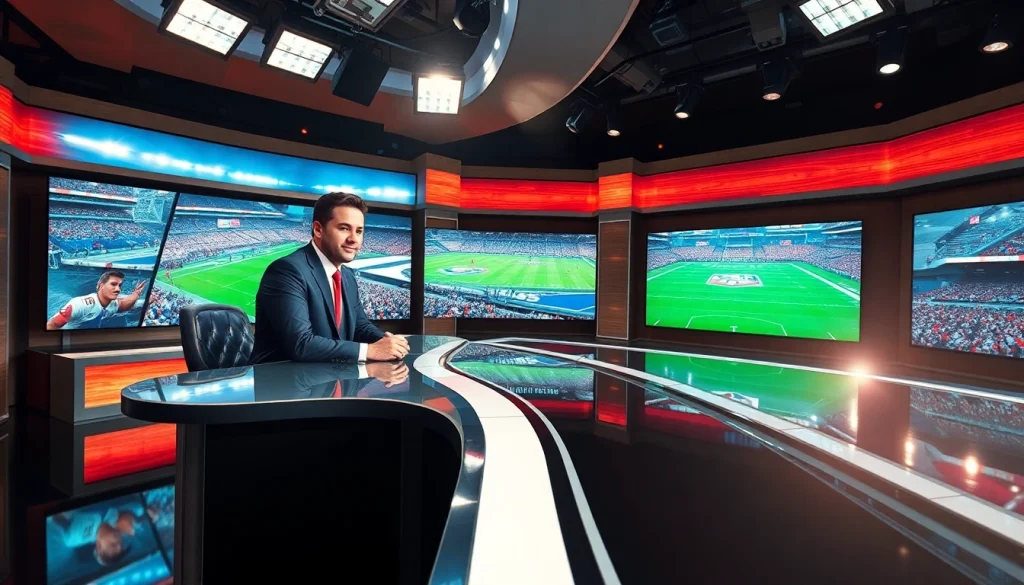
What is Sports Broadcasting?
Definition and Importance
Sports Broadcasting is the dissemination of live or recorded sporting events to a wide audience through various mediums, including television, radio, and online platforms. This sector plays a crucial role in shaping public engagement with sports, as it provides fans unparalleled access to their favorite games and athletes. The importance of Sports Broadcasting lies not only in entertainment but also in its economic impact, influencing advertising revenues, sponsorship deals, and overall industry growth.
Historical Context of Sports Broadcasting
Sports Broadcasting has evolved significantly since its inception in the early 20th century. The first radio broadcast of a sporting event took place in 1921 with a boxing match, marking a revolutionary change in how sports were consumed. The arrival of television in the 1950s further transformed the landscape, enabling millions to watch live events. Significant milestones, such as the introduction of cable and satellite broadcasts in the 1980s and the digital revolution in the 2000s, have continually shaped sports viewing habits.
Types of Sports Broadcasting
Sports Broadcasting can be categorized into several types based on the medium, format, and purpose:
- Live Broadcasting: Real-time coverage of sporting events often featuring commentary and analysis.
- Delayed Broadcasts: Events aired after their live occurrence, typically for audiences unable to watch in real-time.
- Highlights Programs: Summaries of key moments from sports events, designed to engage viewers quickly.
- Sports Talk Shows: Informative discussions centered around sports news, interviews, and analysis.
- Online Streaming: Digital platforms offering live and on-demand sports content, catering to a diverse audience.
Key Components of Sports Broadcasting
Equipment Used in Sports Broadcasting
The backbone of effective Sports Broadcasting lies in state-of-the-art equipment. Essential components include:
- Cameras: Multi-angle cameras, including drones, capture events from various perspectives.
- Microphones: High-quality audio recording devices ensure clear commentary and crowd sounds.
- Switchers: These devices manage multiple video sources, enabling seamless transitions during live events.
- Broadcasting Software: Tools for graphics, highlights, and instant replays enhance viewer experience.
Roles of Personnel in Sports Broadcasting
Various professionals contribute to the smooth operation of Sports Broadcasting:
- Commentators: Provide live play-by-play commentary, adding context and excitement.
- Analysts: Offer expert insights and strategic breakdowns of the game for deeper viewer understanding.
- Producers: Oversee the entire production process, ensuring all elements are synchronized for a seamless broadcast.
- Crew Members: Technicians and operators who manage equipment, making sure everything runs smoothly.
Broadcasting Techniques and Styles
Different techniques and styles distinguish broadcasts, impacting audience engagement:
- Storytelling: Building narratives around athletes and teams to forge emotional connections with viewers.
- Interactive Elements: Incorporating viewer polls and social media feedback to enhance engagement.
- Data Visualization: Utilizing graphics to present statistics clearly and effectively during broadcasts.
- Multi-Language Broadcasts: Providing commentary in multiple languages to cater to diverse audiences worldwide.
Technological Innovations Shaping Sports Broadcasting
Impact of Streaming Services on Sports Broadcasting
The rise of streaming services has revolutionized Sports Broadcasting, allowing fans to access content anytime, anywhere. Major sports leagues have adapted by offering their own streaming platforms or partnering with established services, providing flexibility that unbundles traditional cable packages. This shift not only enhances viewer experience but also intensifies competition for traditional broadcasters, requiring them to innovate and adapt.
Role of Social Media in Sports Broadcasting
Social media platforms have become vital channels for Sports Broadcasting. They facilitate real-time engagement among fans and provide immediate access to highlights, player interactions, and behind-the-scenes content. Networked communities are built around teams and events, allowing broadcasters to leverage live tweeting, instant polls, and audience feedback to create more interactive viewing experiences.
Future Technologies Influencing Sports Broadcasting
The future of Sports Broadcasting will likely see advancements in several key areas:
- Augmented Reality (AR) and Virtual Reality (VR): These technologies promise to immerse fans in the action like never before, offering front-row experiences from home.
- Artificial Intelligence (AI): AI can analyze large datasets for trend identifications and enhance personalized content delivery, tailoring broadcasts to individual viewer preferences.
- 5G Technology: Faster internet speeds will enhance live-streaming quality and minimize latency, making real-time interactions seamless.
Challenges in the Sports Broadcasting Industry
Copyright and Licensing Issues
Copyright and licensing remain significant hurdles within the Sports Broadcasting landscape. Protecting intellectual property is crucial for leagues and broadcasters, as unauthorized streaming and pirated broadcasts pose financial risks. Navigating these issues requires broadcasters to negotiate favorable rights deals and remain vigilant against infringement.
Viewership Decline Concerns
Despite booming revenue in Sports Broadcasting, some segments face viewership declines, especially among younger audiences. Factors impacting this trend include the shift towards digital consumption, leading to fragmented viewing habits. Broadcasters must adapt by finding innovative ways to deliver content that resonates with younger viewers, such as leveraging social media and interactive experiences.
Competition with Online Platforms
Online platforms are formidable competitors in the sports content arena, offering flexibility and often lower costs. Traditional broadcasters face the challenge of retaining audiences while developing strategies that incorporate online elements, such as streaming capabilities and on-demand access to enhance their offering.
Best Practices for Sports Broadcasting
Engaging Your Audience
Engagement is vital for successful Sports Broadcasting. Broadcasters should focus on establishing a strong connection with viewers through storytelling and community-building strategies, encouraging active participation via social media and interactive features aimed at prompting viewer input.
Consistency and Quality in Broadcasting
Ensuring consistent quality across broadcasts builds trust and viewership loyalty. This involves maintaining high standards in production values, content accuracy, and presenter professionalism. Regular training programs for personnel can help enhance skills and keep quality consistently high.
Metrics for Measuring Success in Sports Broadcasting
To assess broadcasting success, key metrics must be monitored, including:
- Viewership Ratings: Analyzing audience numbers provides insight into popular programming.
- Engagement Rates: Metrics of audience interaction on platforms and social media.
- Subscription Growth: Tracking increases in digital platform subscribers can gauge success in delivering content.
- Commercial Revenue: Advertising and sponsorship revenue figures indicate profitability and market appeal.
FAQs
1. What is sports broadcasting?
Sports Broadcasting refers to the live or recorded transmission of sports events to audiences via television, radio, or online platforms.
2. What are the key roles in sports broadcasting?
Key roles include commentators, analysts, producers, and technical crew members, each vital for a successful broadcast.
3. How has technology impacted sports broadcasting?
Technology has transformed sports broadcasting through streaming services, enhanced graphics, and improved viewer engagement tools.
4. What are common challenges faced by sports broadcasters?
Common challenges include copyright issues, declining viewership among younger demographics, and competition from online streaming platforms.
5. How can sports broadcasters engage their audience effectively?
Engagement can be achieved through storytelling, interactive elements on social media, and creating community-driven experiences for fans.